
The transformation of Timor-Leste’s economic landscape through industrial parks is a strategic endeavour aimed at driving economic growth and sectoral transformation. These industrial parks, strategically located near key economic corridors and ports, aim to attract investors by focusing on sectors like manufacturing, logistics, and warehousing. While financial incentives play a role, the success of industrial parks hinges more on business climate improvements and market-specific policies. Timor-Leste’s industrial park project aligns with national economic and industrial strategies, emphasizing sectors like recycling, furniture assembly, and logistics to leverage the country’s unique advantages and foster economic diversification.
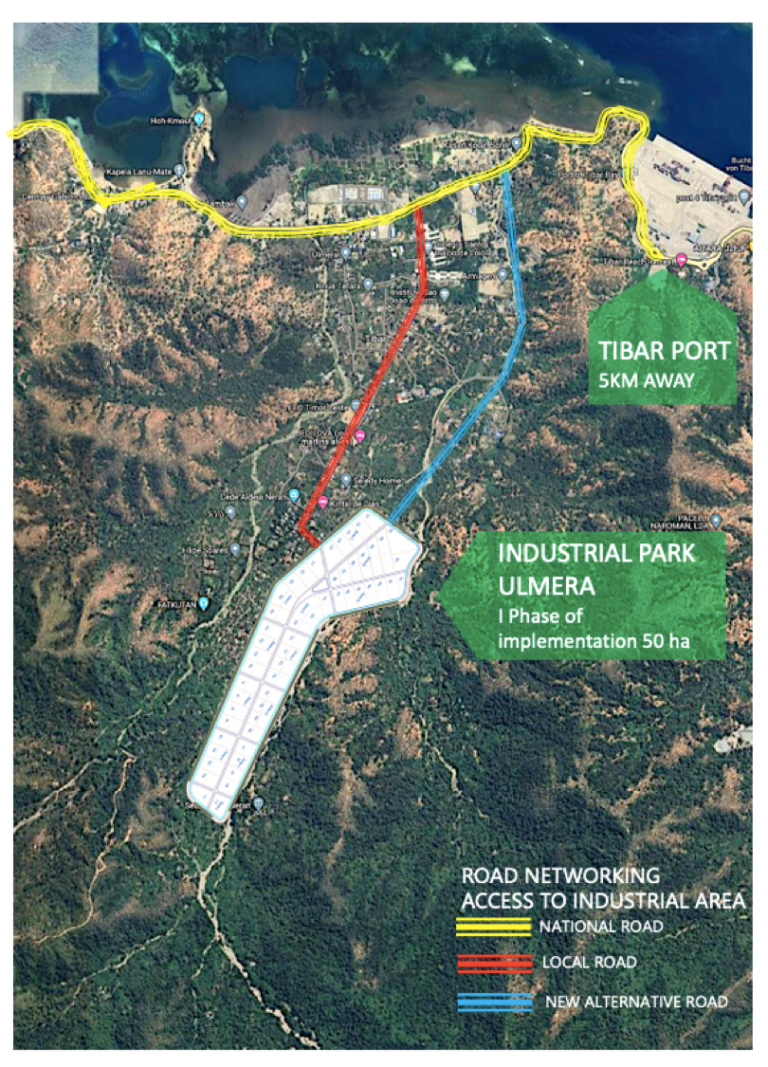
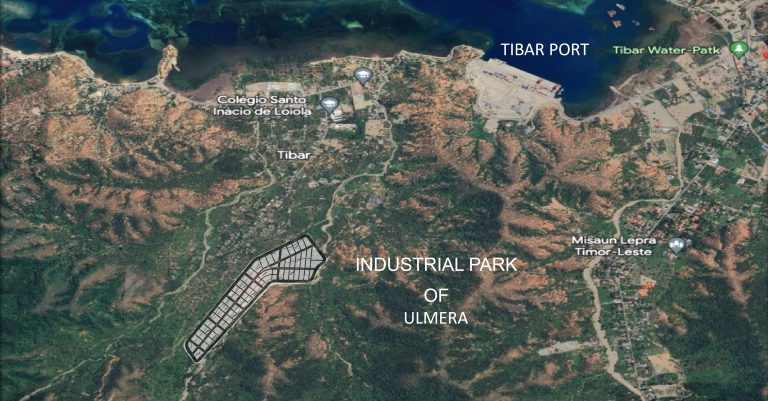
The Ulmera Industrial Park in Timor-Leste is the first manufacturing and industry development initiative in Ulmera, aimed at creating a conducive environment for industrial growth.
Timor-Leste’s industrial park project targets key economic sectors like manufacturing, logistics, and warehousing, leveraging its strategic location near the Port of Tibar to facilitate relationships with firms in Australia and Indonesia.
Financial incentives are important but not the sole key to success for industrial parks; instead, emphasis is placed on improving the business climate, addressing market failures, and implementing specific policies to enhance zone performance.
The industrial park project in Timor-Leste aims to service logistics and warehousing sectors, along with industries like recycling, furniture assembly, and construction materials, aligning with national economic and industrial policies.
The planned industrial park project in Timor-Leste is strategically positioned to support economic diversification, value addition, and job creation, focusing on sectors that can leverage the country’s unique advantages and foster economic growth.